 English
 简体中文
简体中文  Español
  Português
  русский
  Français
  日本語
日本語  Deutsch
  tiếng Việt
  Italiano
  Nederlands
  ภาษาไทย
  Polski
  한국어
한국어  Svenska
  magyar
  Malay
Malay  বাংলা ভাষার
  Dansk
Dansk  Suomi
Suomi  हिन्दी
  Pilipino
  Türkçe
  Gaeilge
  العربية
  Indonesia
  Norsk
Norsk  تمل
تمل  český
český  ελληνικά
  український
  Javanese
  فارسی
فارسی  தமிழ்
தமிழ்  తెలుగు
  नेपाली
  Burmese
  български
  ລາວ
ລາວ  Latine
  Қазақша
  Euskal
  Azərbaycan
  Slovenský jazyk
  Македонски
  Lietuvos
  Eesti Keel
  Română
  Slovenski
  मराठी
मराठी  Srpski језик


Classification of corks
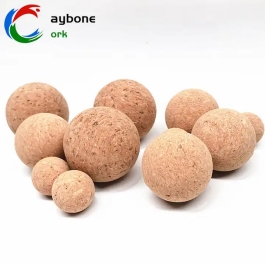
A cork is a plug made from the bark of the hanging branches of the vine and is widely used in closed containers of wine, champagne, olive oil, vinegar and other liquids to maintain their quality and freshness.
Corks are generally divided into two categories: natural and synthetic corks.
Natural corks are obtained from the bark of the hanging branches of the vine and are made after treatment. Their elasticity is very good, so they are widely used in wine bottles and other storage containers to maintain the freshness and quality of food.
The grades of natural corks are usually divided according to the following criteria:
Grade A cork: smooth appearance, small pores, basically no pattern or damage, and can maintain good elasticity and leak-proof performance. Grade A corks are often seen as the highest quality choice and are widely used in fine wine and other liquid containers.
Grade B cork: The appearance is relatively poor, there are some obvious damage and patterns, but overall has a good sealing performance and leak-proof performance.
Grade C cork: rough appearance and large porosity, damage and pattern is more obvious. These corks usually require further processing to achieve proper sealing properties.
In addition to the above standards, corks may also be graded according to the specific standards of the production and quality inspection institutions. When choosing a cork, consumers should pay attention to the grade on the label to ensure that the cork they choose has the right quality and performance.
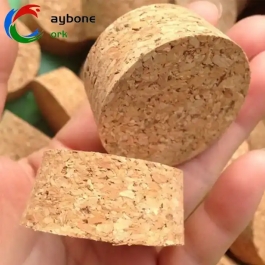
Synthetic corks are made by compressing and combining natural cork particles in a specific way. The use of such corks has gradually increased because of their ability to provide better sealing and consistent quality. It is widely used in some high-end beverages such as wine and bottled water.
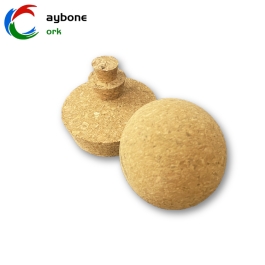
Send Inquiry



X
We use cookies to offer you a better browsing experience, analyze site traffic and personalize content. By using this site, you agree to our use of cookies.
Privacy Policy