 English
 简体中文
简体中文  Español
  Português
  русский
  Français
  日本語
日本語  Deutsch
  tiếng Việt
  Italiano
  Nederlands
  ภาษาไทย
  Polski
  한국어
한국어  Svenska
  magyar
  Malay
Malay  বাংলা ভাষার
  Dansk
Dansk  Suomi
Suomi  हिन्दी
  Pilipino
  Türkçe
  Gaeilge
  العربية
  Indonesia
  Norsk
Norsk  تمل
تمل  český
český  ελληνικά
  український
  Javanese
  فارسی
فارسی  தமிழ்
தமிழ்  తెలుగు
  नेपाली
  Burmese
  български
  ລາວ
ລາວ  Latine
  Қазақша
  Euskal
  Azərbaycan
  Slovenský jazyk
  Македонски
  Lietuvos
  Eesti Keel
  Română
  Slovenski
  मराठी
मराठी  Srpski језик


Is Cork Underlay Becoming the New Standard for Quiet, Energy-Efficient Flooring?
In recent years, the global flooring industry has been undergoing a noticeable shift. Beyond aesthetics and durability, buyers are now placing increasing emphasis on acoustic comfort, thermal efficiency, and environmental sustainability. Against this backdrop, cork underlay is rapidly emerging as a preferred solution across North America and Europe, especially in residential renovations and multi-family housing projects.
Industry data shows that noise complaints in apartment buildings and mixed-use developments have risen steadily, pushing contractors and developers to seek more effective sound insulation materials. Traditional foam underlays, once widely used for cost reasons, are gradually losing favor due to their limited lifespan and declining performance over time. In contrast, cork underlay—thanks to its natural cellular structure—offers a more durable and stable alternative.
Rising Demand Driven by Real-World Needs
From California to major European cities, flooring contractors report a clear increase in demand for cork-based underlay systems. The reasons are practical:
-
Noise Reduction : Urban living spaces require better sound insulation between floors
-
Thermal Comfort : Consumers expect flooring systems to feel warm and comfortable year-round
-
Sustainability Goals : Natural, renewable materials are becoming a priority in construction standards
-
Long-Term Value : Builders are shifting toward materials that maintain performance over time
“Buyers are no longer just comparing prices—they’re asking about long-term comfort and environmental impact,” said a U.S.-based flooring distributor. “Cork underlay checks both boxes.”
Product Innovation Aligns with Market Expectations
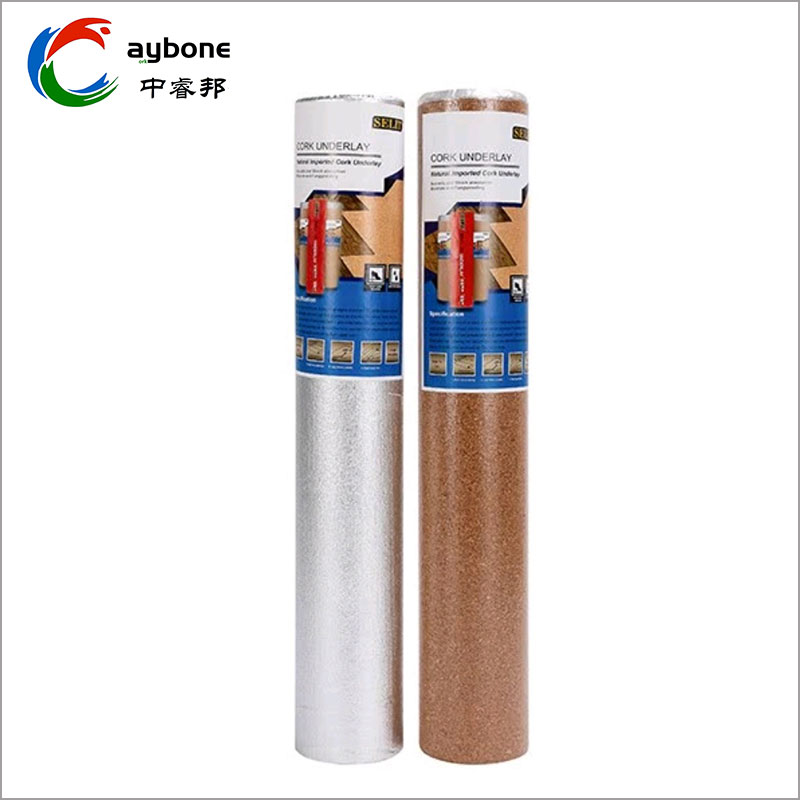
Manufacturers have responded by developing more versatile and performance-driven cork underlay solutions. A typical example is the silent cork underlay used beneath wood flooring systems, designed to work across multiple surface types—from laminate and hardwood to PVC and ceramic tiles.
These products are not only engineered for acoustic insulation but also for thermal stability. Unlike synthetic materials, cork maintains its insulating properties across a wide temperature range and does not absorb or dissipate body heat, making it particularly suitable for residential environments.
Standard Configurations in the Market
| Type | Model | Size | Feature |
|---|---|---|---|
| A Type | CUA-20 / 25 / 30 | 1m × 10m × 2–3mm | Standard cork roll |
| B Type | CUB-20 / 25 / 30 | 1m × 10m × 2–3mm | With moisture barrier film |
| C Type | CUC-20 / 25 / 30 | 1m × 10m × 2–3mm | With aluminum foil layer |
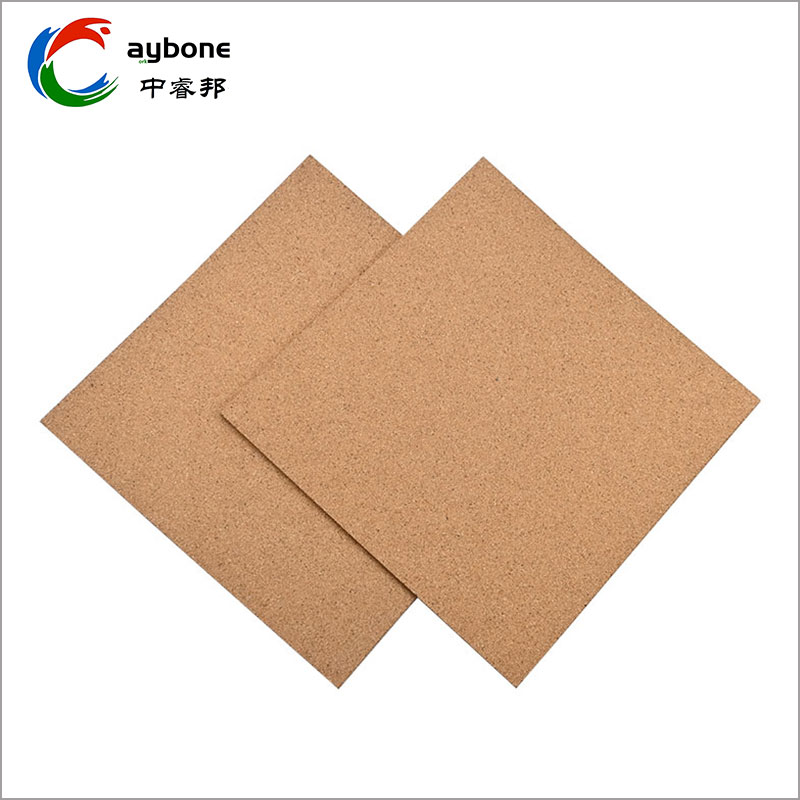
In addition to roll formats, sheet-based cork underlay is also gaining popularity for customized installations and project-specific requirements.
Technical Advantages Gaining Industry Recognition
Cork underlay’s growing popularity is not only driven by trends but also by measurable performance benefits:
-
Low Thermal Conductivity : Helps maintain indoor temperature and reduce energy loss
-
High Compression Recovery : Retains shape and function even after long-term use
-
Acoustic Dampening : Effectively reduces both impact and airborne noise
-
Moisture Resistance Options : Enhanced with film or foil layers for different environments
These characteristics make cork underlay particularly attractive for developers working on high-end residential and hospitality projects.
Addressing Buyer Concerns: What the Market Wants to Know
As demand grows, buyers are also asking more detailed questions before making purchasing decisions:
Is cork underlay suitable for underfloor heating?
Yes. Its balanced thermal properties allow efficient heat transfer while minimizing heat loss.
How does it compare to foam underlay?
Cork offers superior durability and does not degrade or compress permanently over time, unlike many foam products.
What thickness is recommended?
- 2mm: Standard applications
- 2.5mm: Balanced performance
-
3mm: Enhanced sound insulation
Is installation complicated?
No. Most cork underlays are designed for straightforward installation, reducing labor costs on-site.
Brand Spotlight: Building a Reliable Cork Supply Chain
As global demand increases, supply chain stability has become a key factor for international buyers. Companies with integrated production capabilities are gaining a competitive edge.
Raybone Technology Co., Ltd., backed by Good Brilliant International Limited, represents this new generation of cork manufacturers. Starting in 2003 as a cork pad producer for the glass industry in Shenzhen, the company has expanded into a full-scale supplier of cork products.
A major milestone came in 2019 with the establishment of a dedicated cork raw material industrial park in Hubei Province, followed by the launch of a specialized manufacturing entity—Good Brilliant Cork Co., Ltd. In 2020, the company further strengthened its global presence by opening an R&D and trading center under the Raybone brand.
With ISO9001 certification and a growing network of international distributors, the company now supplies a wide range of cork solutions, including underlays, rolls, mats, and customized products. Continuous investment in production capacity has enabled it to meet rising overseas demand while maintaining consistent quality.
Market Outlook: From Niche Material to Industry Standard
What was once considered a niche material is now becoming a mainstream choice in flooring systems. As building standards evolve and consumer expectations rise, cork underlay is positioned to play a more central role in future construction projects.
For contractors, developers, and distributors, the message is clear: performance-driven, sustainable materials are no longer optional—they are becoming the new baseline. Cork underlay, with its unique combination of comfort, durability, and environmental value, is set to remain at the forefront of this transformation.
Previous:No News
Send Inquiry



X
We use cookies to offer you a better browsing experience, analyze site traffic and personalize content. By using this site, you agree to our use of cookies.
Privacy Policy